
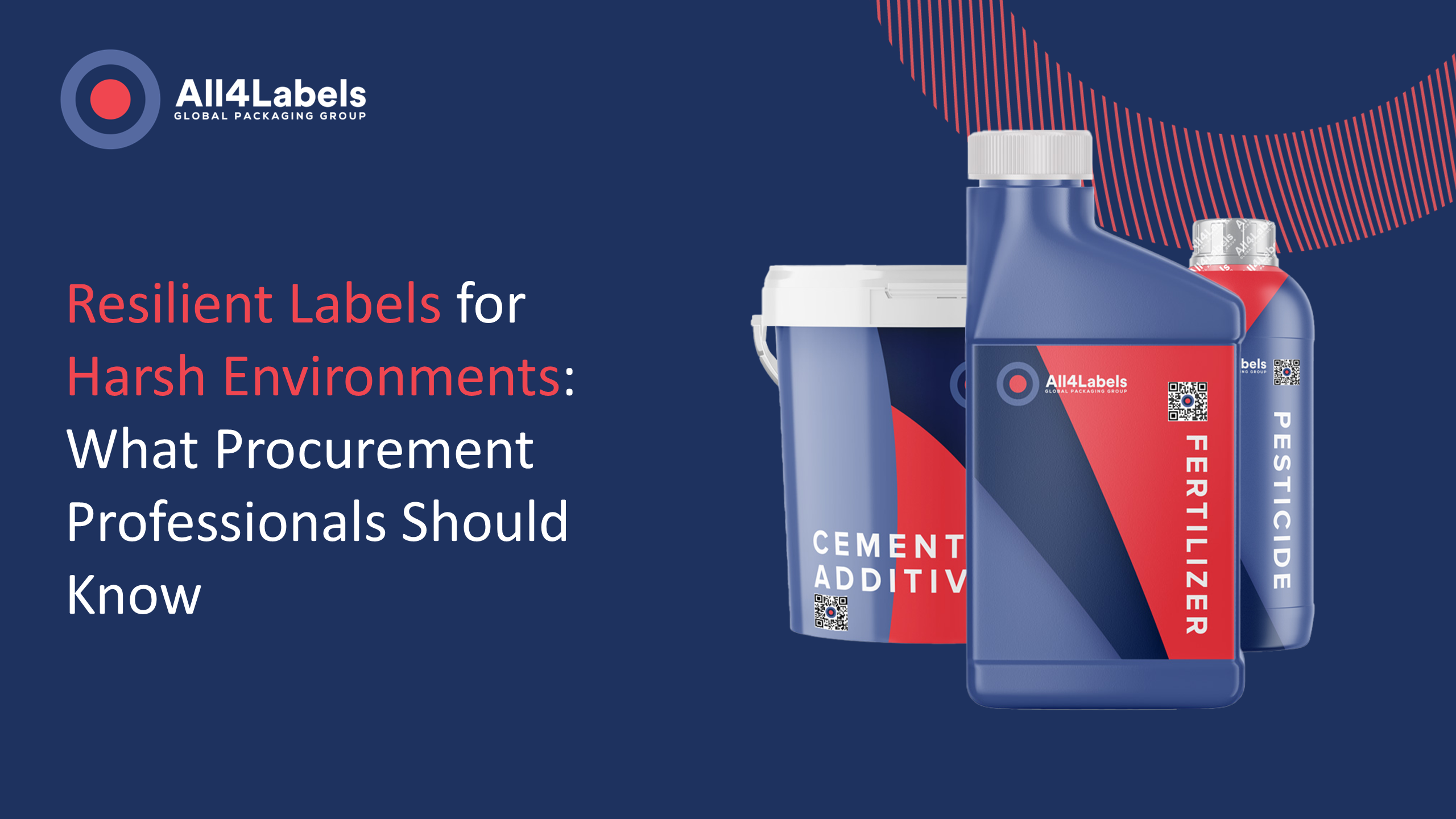
Resilient labels are required in industries where products are exposed to oils, abrasion, moisture, heat, and aggressive handling. In these industries, labels are more than a branding element – they are a critical functional component of a product.
For procurement professionals in sectors such as automotive, industrial manufacturing, chemicals, and engineering, choosing the right label solution can have a direct impact on compliance, safety, cost, and brand integrity.
Labels are often evaluated too late in the procurement process or selected based solely on price. The result can be premature label failure, unreadable information, or costly rework.
This guide explores how materials, printing method selection, and robust testing processes come together to create labels that perform reliably in harsh environments.
Why Harsh Environments Demand a Different Approach
Labels used in demanding environments face conditions that far exceed normal consumer use. Exposure may occur during production, transportation, storage, or end use, often over extended periods. Common challenges include:
- Continuous contact with oils, fuels, lubricants, and solvents
- Abrasion from handling, machinery, or stacked storage
- Moisture and humidity, including wash-down conditions
- Heat and temperature fluctuations, both high and low
- Outdoor exposure to UV light and weathering
In these conditions, standard label constructions can quickly degrade, leading to peeling, fading, smudging, or detachment. For procurement professionals, the cost of label failure extends beyond replacement. It can affect regulatory compliance, traceability, and customer trust.
Materials: The Foundation of Label Performance
At the heart of every resilient label is the material. Selecting the correct combination of face material, adhesive, and protective coating is essential for long-term performance.
Resistance to Oils and Chemicals
In automotive and industrial environments, labels are frequently exposed to mineral oils, synthetic lubricants, fuels, and cleaning agents. These substances can affect both the label material and adhesive, causing swelling, softening, or loss of adhesion.
Your material choice as well as laminations enable your label to resist chemical penetration, maintaining print clarity and adhesion even after prolonged exposure. This process benefits significantly from supplier expertise and testing.
Abrasion and Handling Durability
Abrasion resistance is another key consideration, particularly for products that are handled repeatedly or move through automated systems. Scratching, scuffing, or rubbing can quickly render important information illegible, increasing the risk of safety non-compliance.
Durable face materials, combined with protective varnishes or laminates, help preserve label integrity. Procurement teams should assess how and where products are handled throughout their lifecycle, not just at the point of sale.
Moisture and Humidity Performance
Moisture can compromise labels in several ways, from edge lifting to ink bleed or adhesive failure. High-humidity environments, condensation, or wash-down processes place additional strain on label constructions.
Moisture-resistant materials and adhesives designed for wet or damp surfaces are essential in these applications. Proper material selection ensures labels remain intact and readable, even in challenging conditions.
Heat and Temperature Extremes
Temperature exposure, both high and low, can affect label performance. Heat can soften adhesives and cause print degradation, while cold temperatures can reduce adhesive tack or cause materials to become brittle.
Understanding the temperature range a product will experience, from manufacturing through to end use, allows for the selection of materials that maintain performance across a range of extremities.
Printing Methods and Lifecycle Performance
Material choice alone is not enough. The printing method used also plays a significant role in a label’s lifecycle performance.
Different technologies offer varying levels of ink durability, resistance, and finish. For example:
- Some methods excel in producing robust, chemically resistant print
- Others allow for protective coatings that enhance abrasion resistance
- Certain technologies support thicker ink laydowns or specialised finishes for added durability
Selecting the right printing method in combination with the right materials can significantly extend label lifespan, reduce failure rates, and lower total cost of ownership.
Learn more about choosing the correct printing method for your needs here!
Considering the Full Product Lifecycle
For procurement professionals, the most effective label decisions consider the entire lifecycle of the product. This includes:
- Manufacturing and filling processes
- Storage and transportation
- Customer handling and use
- Environmental exposure over time
A label that performs well at one stage but fails at another can undermine the entire supply chain. By evaluating lifecycle performance rather than upfront cost alone, procurement teams can avoid hidden costs and operational disruption.
Testing and Quality Assurance at All4Labels UK
One of the most effective ways to mitigate risk is through robust testing and quality assurance. At All4Labels UK sites, testing and quality assurance processes are integral to our label development, not an afterthought.
Material and Adhesive Selection Through Testing
All4Labels UK works collaboratively with customers to identify the most suitable material and adhesive combinations for their specific application.
Process Control and Consistency
Quality assurance extends beyond material testing. Consistent production processes, in-line inspections, and controlled environments ensure that every label meets defined quality and performance standards.
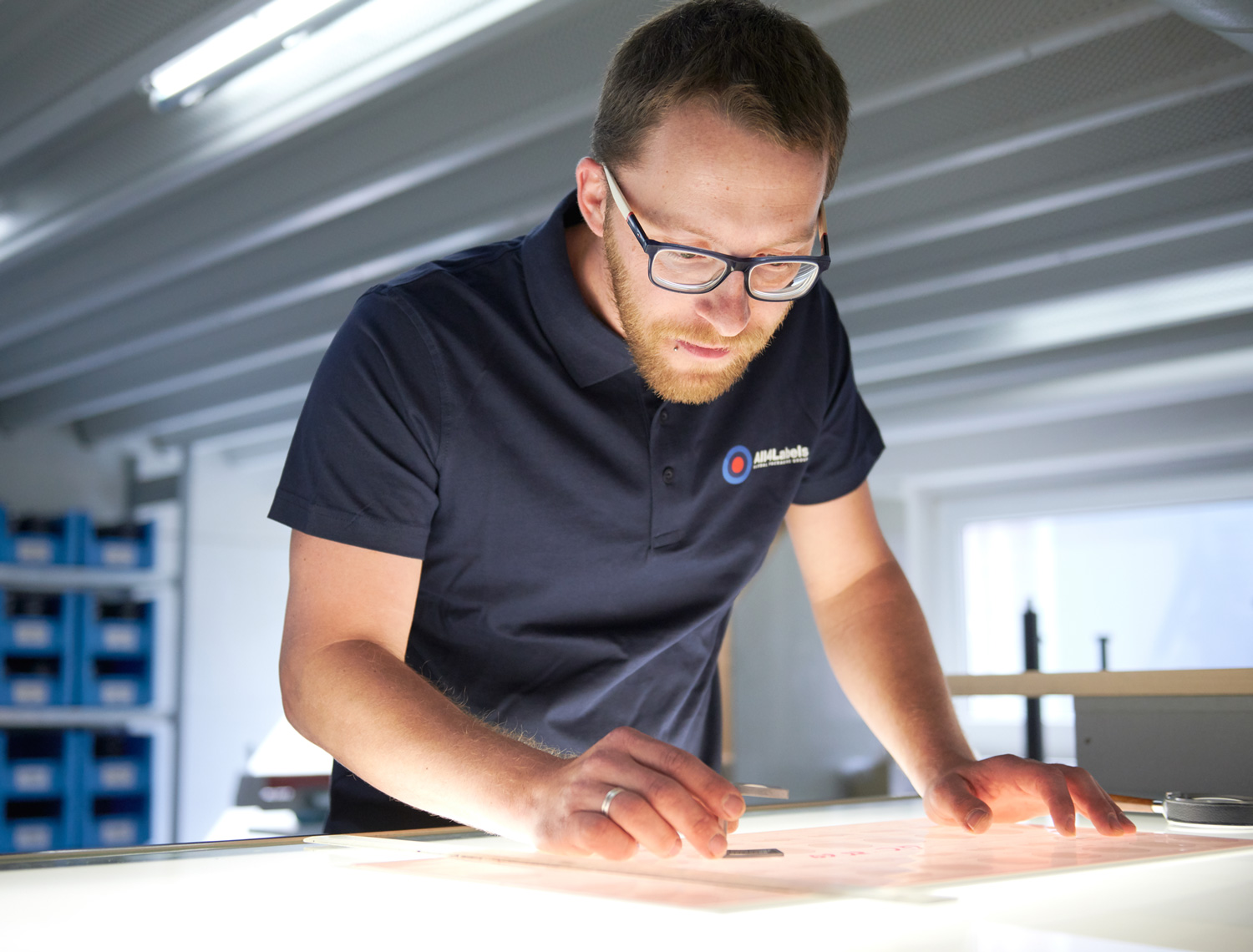
For procurement teams, this consistency reduces variability and increases confidence in supply continuity, particularly important for critical or regulated products.
Partnership, Not Just Supply
Rather than simply supplying labels, All4Labels UK acts as a technical partner. Our teams work with you to understand your product, environment, and compliance requirements, ensuring the final label solution is not only fit for purpose, but excels expectations.
This collaborative approach is especially valuable for new products, changes in formulation, or shifts in operating conditions that may affect label performance.
Making Smarter Procurement Decisions
When sourcing labels for harsh environments, procurement professionals should ask:
- What environmental stresses will the label face?
- How long does the label need to remain functional?
- What are the consequences of label failure?
- Has the solution been tested under realistic conditions?
By engaging early with a knowledgeable label partner, these questions can be addressed proactively, reducing risk and improving outcomes.
All4Labels UK – Your Dedicated Partner
In harsh industrial and automotive environments, labels must do more than look good. They must endure. Material choice, printing technology, and rigorous testing all play a role in ensuring long-term performance.
For procurement professionals, understanding these factors is key to making informed, cost-effective decisions. With comprehensive testing, quality assurance, and technical expertise, All4Labels UK supports you in selecting the right material and adhesive solution for your product, helping ensure resilience, compliance, and confidence throughout the product lifecycle.